

Young Professionals Conference 2026: highlights
The INREV Young Professionals Conference 2026 took place on 25 June in the vibrant city of Berlin, bringing together more than 200 enthusiastic young professionals (under 32) from across the non-listed real estate industry for a day of insight, inspiration and connection. Notably, 64% of delegates were attending for the first time, while many returning participants told us this was the best Young Professionals Conference to date.
Against a backdrop of geopolitical uncertainty, technological disruption and shifting demographic trends, this year's conference explored the theme "Growth in a changing world: positioning for what's next." The agenda featured an engaging mix of keynote presentations, an investor panel discussion and an interactive workshop, covering topics including the future of capitalism, artificial intelligence, demographic change, storytelling, leadership and investment decision-making in an evolving global landscape.
A special thanks to our moderator, Nioki Doggett (M&G Real Estate), for guiding the day with energy, professionalism and thoughtful engagement throughout the sessions.
The cost of growth: markets, morals in a fragmenting world (Tomáš Sedláček)
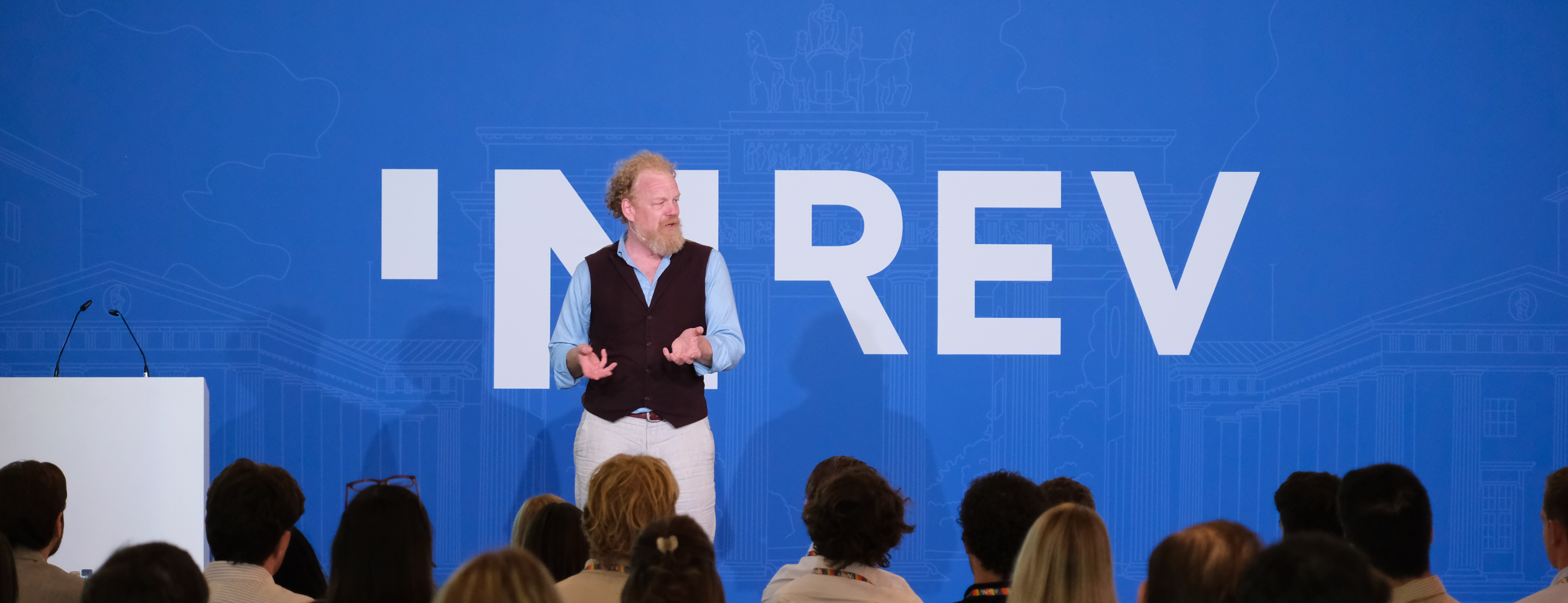
The Young Professionals Conference opened with a thought-provoking keynote from Czech economist and bestselling author of Economics of Good and Evil, Tomáš Sedláček, who explored how Europe can navigate a rapidly changing world shaped by technological disruption, geopolitical uncertainty and shifting economic priorities.
Drawing on history, philosophy and economics, Tomáš challenged delegates to consider how far society has progressed. While today's headlines often paint a bleak picture, he argued that people are healthier, wealthier and live longer than ever before. Economies have evolved from relying on physical labour and tangible assets to creating value through knowledge, services and ideas, transforming not only the way we work but also what we value.
As artificial intelligence begins to take on more cognitive tasks, Tomáš suggested that society is approaching another major turning point. Just as machines replaced much of our physical labour, AI is now reshaping intellectual work, prompting a fundamental question: where do humans create value next? His answer was meaning. In the future, he argued, success will depend less on competing with machines in knowledge or efficiency, and more on the uniquely human qualities of purpose, creativity, belief and imagination.
Reflecting themes from Economics of Good and Evil, Tomáš encouraged delegates to think beyond traditional measures of economic success. Rather than viewing growth as an end in itself, he argued that Europe's greatest strength lies in its ability to build societies founded on cooperation, democracy and shared values. In a leaderless and increasingly fragmented world, he suggested that Europe's role is not simply to drive economic growth, but to demonstrate how prosperity can be combined with meaning, sustainability and social cohesion.
The keynote set the tone for the conference, encouraging young professionals to think not only about the future of markets, but also about the values that will shape them.
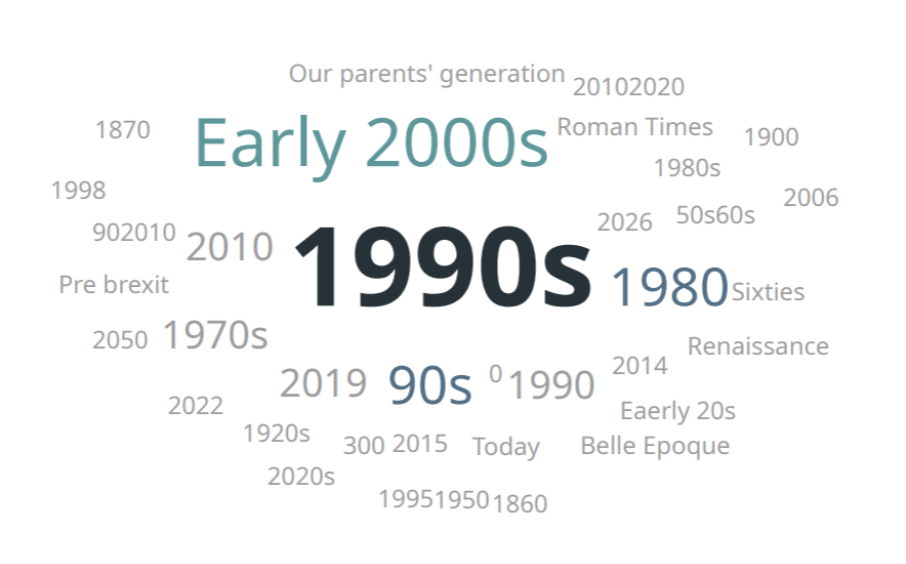
Audience poll:
When was the best age of Europe to live in?
After the reset: the next cycle comes into focus (Daniel Mahoney)
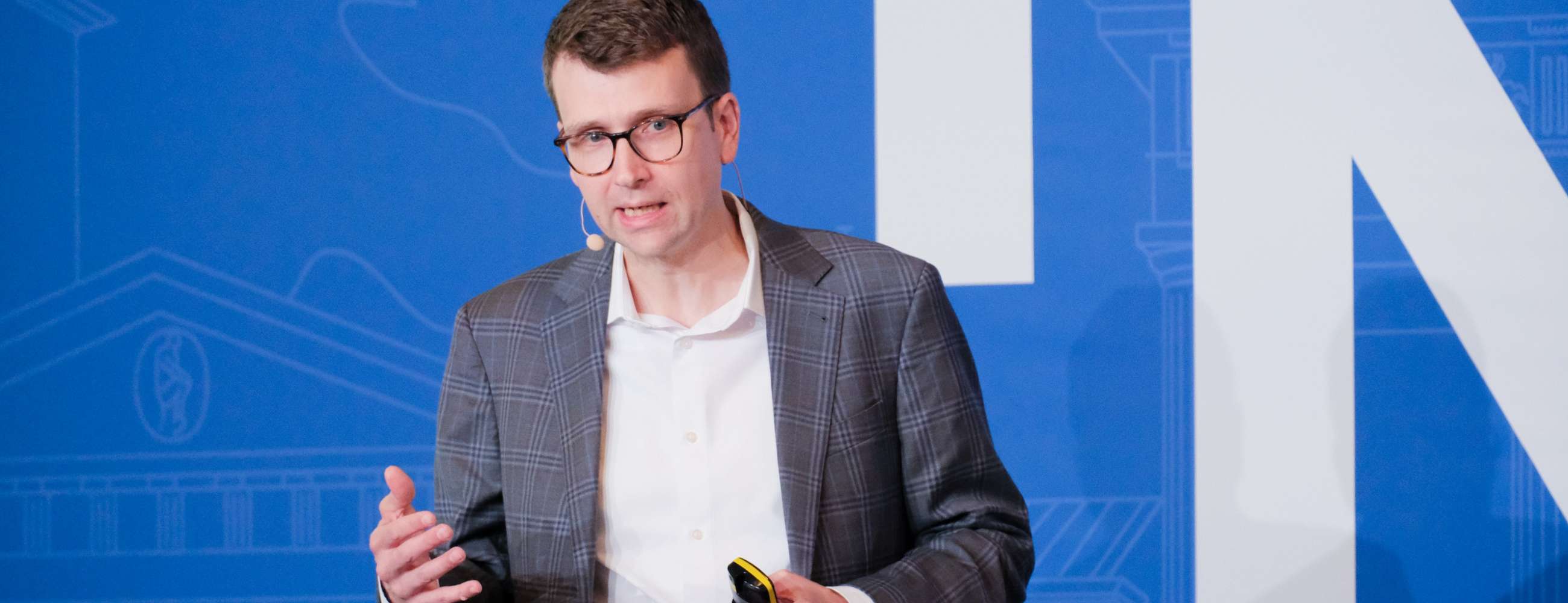
Daniel Mahoney, Europe Head of Research and Strategy at LaSalle, examined whether today's market environment signals the end of traditional real estate cycles, or simply the beginning of a new phase.
While heightened geopolitical uncertainty, technological disruption and changing capital markets have led many to question whether cycles still matter, Daniel argued that they remain fundamental to understanding real estate performance. Rather than a single market cycle, he identified three interconnected cycles that shape returns: supply, occupier demand and capital markets. Each operates at a different pace, creating opportunities for investors who understand how they interact.
Using examples from across Europe, Daniel demonstrated how supply acts as a gradual market rebalancer, with new development responding slowly to changes in demand. Occupier demand, meanwhile, is influenced by wider economic trends, while capital market cycles are driven by debt availability, financing costs and investor sentiment. Together, these dynamics provide a framework for anticipating future market movements, even during periods of heightened uncertainty.
The session also explored the structural forces reshaping the industry. Artificial intelligence was highlighted as one of the defining trends likely to influence real estate over the coming decade, alongside geopolitics, demographics and climate change. While these long-term themes are transforming markets, Daniel argued that cyclical and structural factors should not be viewed in isolation. Instead, investors should consider how both interact when developing resilient strategies.
Concluding on an optimistic note, Daniel suggested that Europe is well positioned for the next stage of the market cycle. As the sector moves beyond its recent reset, success will depend on recognising both the enduring role of cycles and the structural shifts that are redefining the investment landscape.
Audience poll:
How do you expect the global uncertainty index to change in the next year?
- Much higher - 5%
- Moderately higher - 35%
- Stay similar - 38%
- Moderately lower - 19%
- Much lower - 4%
Thinking about European real estate over the next three years, which forces do you think will matter more for explaining market performance?
- Mostly cyclical - 21%
- Even split - 26%
- Mostly structural - 53%
Leading at scale: lessons from the front line (Simone Pozzato interviewed by Andrea Carpenter)
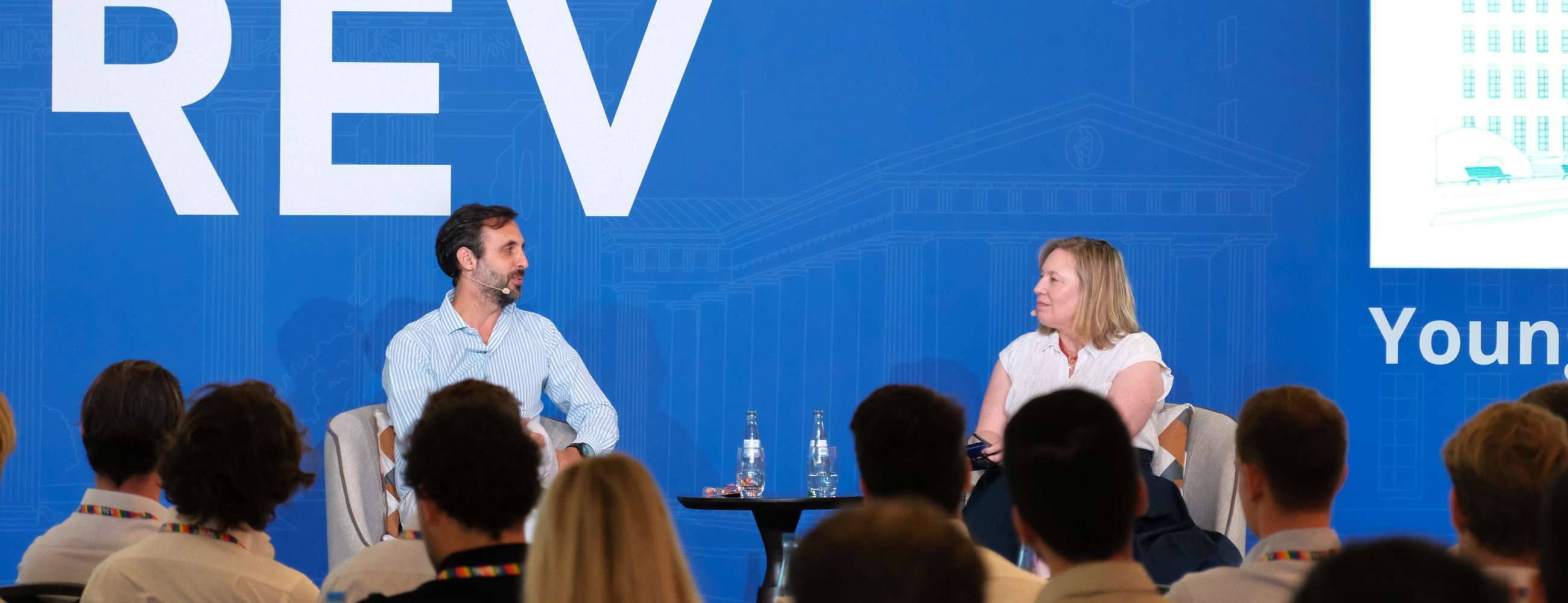
In an engaging keynote interview with Andrea Carpenter, Director of Diversity Talks Real Estate, Simone Pozzato, Senior Managing Director at Hines and Fund Manager of the Hines European Core Fund, shared an honest account of his career journey and the leadership lessons he has learned along the way.
Reflecting on his early career during the global financial crisis, Simone described a period marked by uncertainty and rejection before ultimately finding his path in real estate. Rather than avoiding difficult opportunities, he encouraged delegates to seek out the roles that challenge them most. Comparing career development to marathon training, he argued that "going uphill" builds resilience, skills and confidence in ways that more comfortable environments cannot.
Throughout the conversation, Simone emphasised that leadership is not an innate quality, but something developed through experience, authenticity and continuous learning. He challenged the idea that people are simply "born leaders", encouraging young professionals instead to focus on doing excellent work, remaining true to themselves and building trust over time. In an industry founded on long-term relationships, he noted, trust takes years to earn but can be lost in an instant.
Mentorship and coaching also featured prominently in the discussion. While technical expertise is essential, Simone highlighted the value of mentors who broaden professional perspectives and coaches who help develop emotional awareness and resilience. He also encouraged delegates to embrace career paths that are rarely linear, arguing that varied experiences across different roles often create stronger leaders.
Asked what he looks for in junior team members, Simone’s advice was simple: take your work seriously, but don't take yourself too seriously. Combined with curiosity, patience and a willingness to tackle difficult challenges, he suggested these qualities will remain valuable as both the industry and the nature of leadership continue to evolve.
Stories that stick: engage, influence, persuade (Paul Davies)
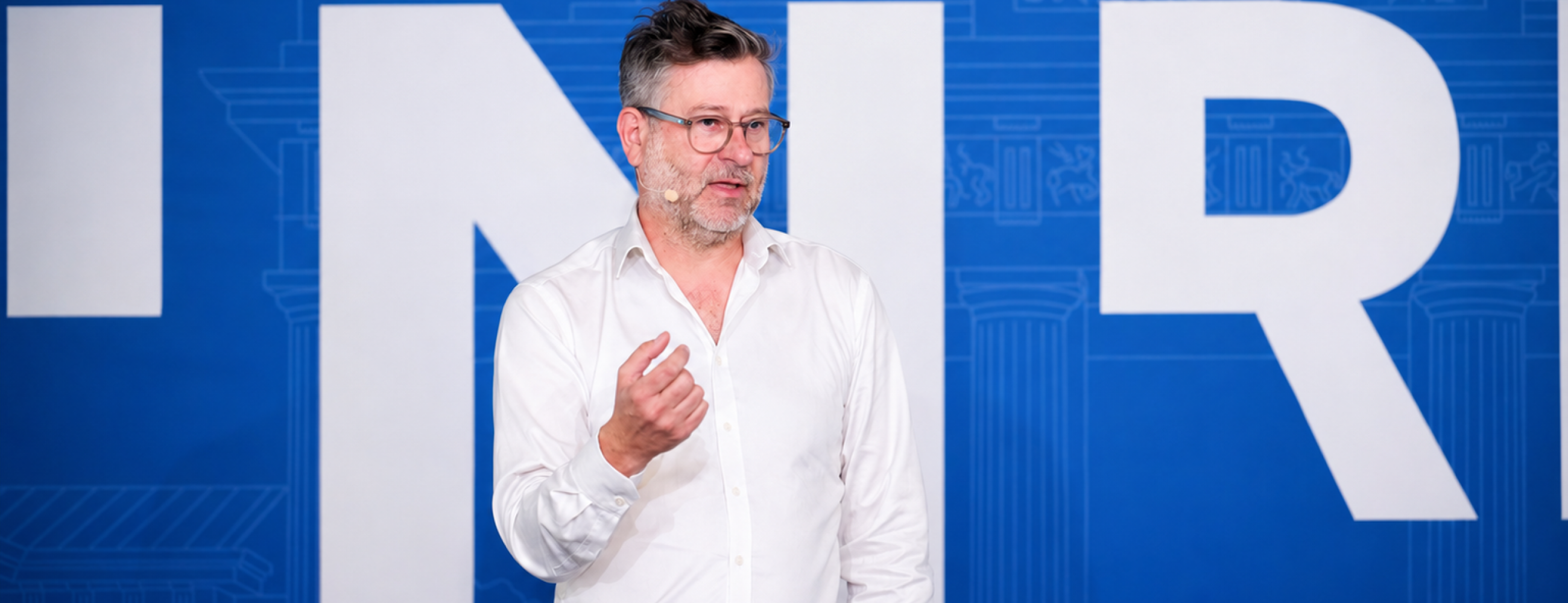
Storytelling took centre stage in this interactive workshop led by Paul Davies, Founder and CEO of firstlight, who demonstrated that the ability to communicate clearly and persuasively is one of the most valuable skills professionals can develop.
Using examples ranging from Hollywood films to Steve Jobs' iconic iPhone launch, Paul showed how memorable stories are carefully constructed to capture attention, simplify complex ideas and inspire action. While compelling content is important, he argued that successful communication is about far more than simply sharing information. The best stories connect with what audiences care about, reflect the wider context and reinforce a clear, consistent message.
Delegates were introduced to a practical framework for developing impactful stories by identifying the intersection between three elements: audience priorities, current industry context and their own key messages. This "sweet spot", Paul explained, enables communicators to make their messages more relevant, engaging and persuasive.
The workshop also challenged common presentation habits. Rather than building suspense, Paul encouraged participants to begin with their conclusion before explaining how they reached it, making presentations easier to follow and more memorable. Simplicity was another recurring theme, with delegates encouraged to strip away unnecessary detail and jargon. As Paul observed, if a story cannot be explained in 20 seconds, it is unlikely to hold an audience's attention for 20 minutes.
Throughout the session, delegates explored practical techniques for improving both the structure and delivery of presentations, from using humour and rhetorical questions to handling audience questions with confidence. The result was a highly interactive workshop that reinforced a simple but powerful message: people may remember facts, but they are far more likely to remember—and act on—a well-told story.
The interactive session concluded with participants creating and sharing their own stories, with three winners receiving prizes.
Audience poll:
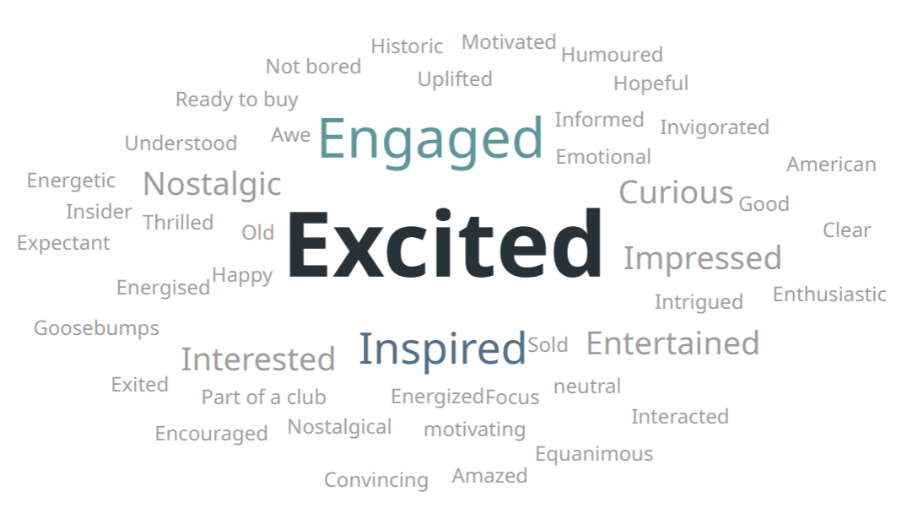
In one word, how did the presentation make you feel?
Citizen of everywhere: the new geography of opportunity (Parag Khanna)
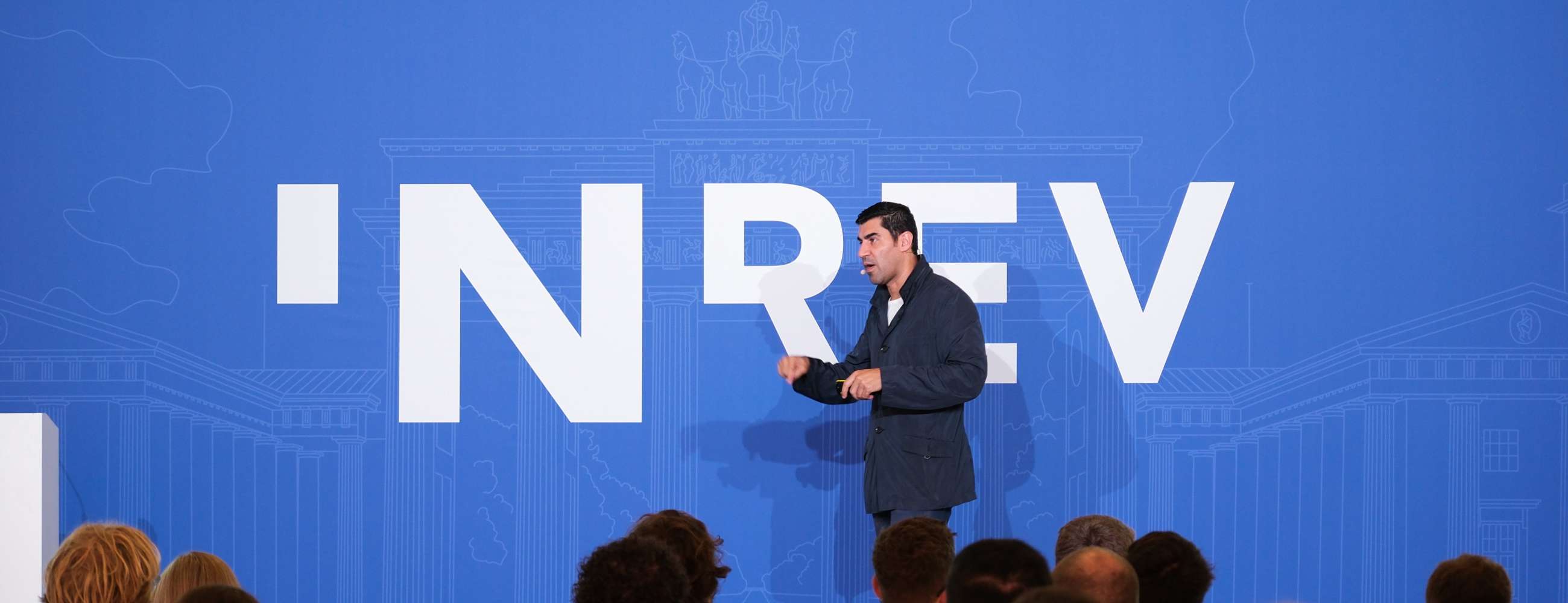
In his keynote, Dr. Parag Khanna, Founder and CEO of AlphaGeo, challenged delegates to rethink the relationship between people, place and investment in an era of profound demographic change.
Describing real estate as the world's largest industry, Parag argued that understanding where people choose to live and work has never been more important. Drawing on global demographic and migration data, he introduced the concept of "Peak Humanity", explaining that while the world's population is expected to reach its maximum this century, declining birth rates across many countries will fundamentally reshape economies and real estate markets.
Rather than focusing solely on population growth, Parag encouraged delegates to consider mobility. Today's younger generations are the most skilled, connected and geographically mobile in history, increasingly choosing locations that offer opportunity, quality of life and long-term resilience. As talent becomes more mobile, cities and regions will compete not only for investment, but also for people.
Parag also highlighted the growing importance of megacity clusters and cross-border migration, arguing that demographic trends will increasingly determine which locations prosper in the decades ahead. For investors and developers, understanding these shifts will be critical to identifying where demand is likely to emerge and which markets are best positioned for long-term growth.
Ending on an optimistic note for Europe's young professionals, Parag encouraged delegates to see themselves as beneficiaries of an increasingly global and interconnected world. In an age where people are increasingly "voting with their feet", he suggested that the future belongs to places that can attract and retain talented, ambitious people; and to the professionals who understand how these changing patterns will shape tomorrow's built environment.
The investor perspective: allocating through change (Andreas Farberg, Luc Joosten, and Andrea van Buren)
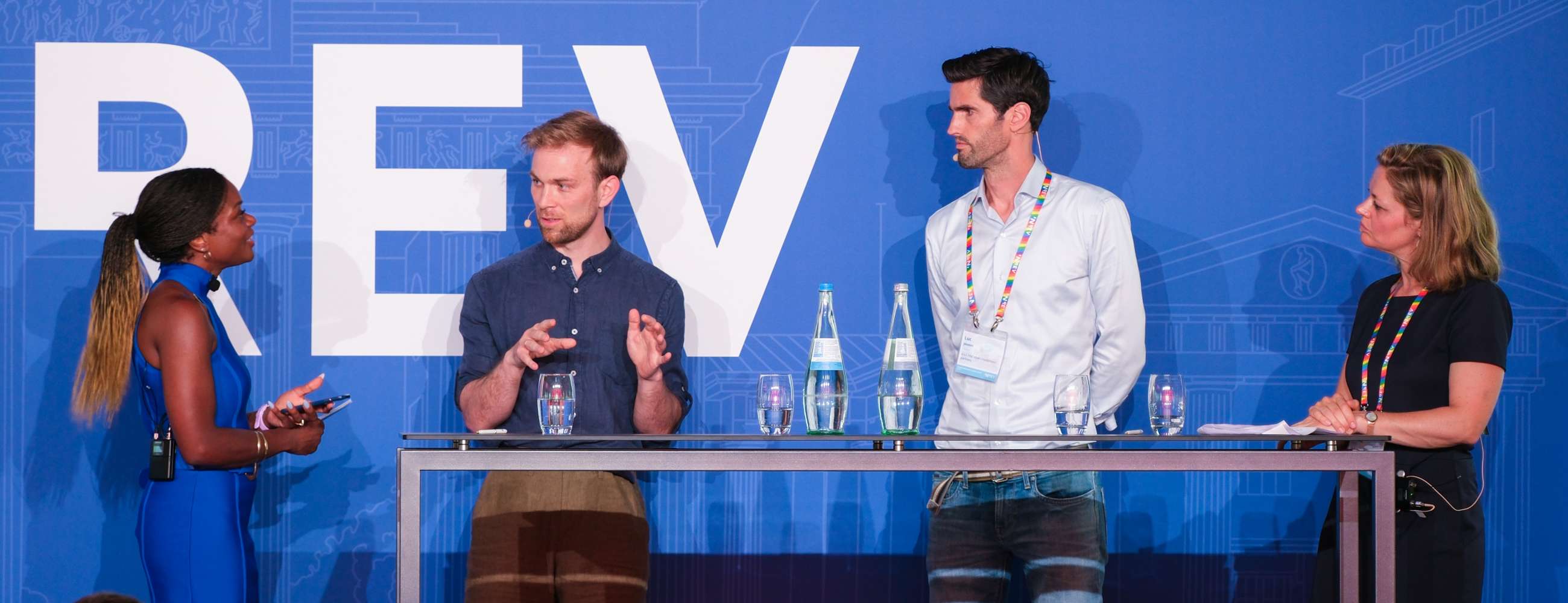
How are institutional investors allocating capital in an increasingly uncertain world? That was the focus of a panel discussion featuring Andreas Farberg (KLP), Luc Joosten (a.s.r. real assets investment partners) and Andrea van Buren (MN), who shared how geopolitical change is reshaping investment decision-making.
While the panellists acknowledged that today's geopolitical environment feels more fragmented and unpredictable, they agreed that uncertainty has reinforced rather than replaced the fundamentals of investing. Geopolitical risks may be difficult to quantify, but they increasingly influence market sentiment, supply chains and capital flows, making robust due diligence and stress testing more important than ever.
Several speakers observed that investors have become more regionally focused in recent years, favouring markets they know well and perceive to be more resilient to policy or geopolitical shocks. At the same time, they stressed that investment processes themselves should remain consistent regardless of market conditions. Whether evaluating a large or small opportunity, disciplined analysis, clear governance and alignment with long-term strategy remain essential.
Trust emerged as a recurring theme throughout the discussion. Building strong relationships between investors and investment managers requires transparency, accountability and consistent communication over many years. As Andreas Farberg observed, "deliver good news fast and bad news faster": a reminder that timely communication is often the difference between maintaining confidence and losing it.
Looking ahead, the panellists highlighted several themes likely to shape future portfolios, including decarbonisation, physical climate risk and the continued importance of resilient cash flows. While new investment trends and labels continue to emerge, they cautioned against chasing headlines at the expense of long-term fundamentals.
The session concluded with a clear message: although markets and geopolitics will continue to evolve, successful investing will remain rooted in disciplined processes, trusted partnerships and the ability to stay focused on long-term objectives amid short-term uncertainty.
When it counts: performing under pressure (William Sharman)

The conference concluded with an inspiring keynote from former British 110-metre hurdler William Sharman, who shared the lessons he learned from performing under pressure.
Reflecting on the early stages of his career, William described the challenge of balancing a career in banking with the demands of elite athletics. Faced with financial uncertainty and a series of setbacks, he questioned whether he could continue pursuing his sporting ambitions. Rather than giving up, he committed to one final push, setting himself the goal of qualifying for the 2009 World Athletics Championships in Berlin.
Initially overlooked for the Great Britain team, he knew he needed to achieve the qualifying standard to earn selection. When the opportunity finally came, he not only qualified but went on to reach the World Championship final, where he competed alongside some of the world's best hurdlers (including world record holder Dayron Robles) and finished fourth after delivering a series of personal best performances.
With qualification dependent on delivering a personal best performance when it mattered most, William explained that success was never about a single race. Instead, it was the result of months of disciplined preparation, consistent training and building the right routines. By creating greater structure around his daily habits, he was able to focus on the aspects within his control and ensure he was ready when the opportunity arrived.
The experience shaped his philosophy about high performance. Rather than relying on moments of brilliance, William argued that long-term success is built through the accumulation of small, consistent actions. Pressure, he suggested, becomes far easier to manage when you know you have done everything possible to prepare.
Closing the conference, William left delegates with a message that resonated well beyond sport. Whether pursuing career ambitions, navigating uncertainty or preparing for future opportunities, lasting success comes not from extraordinary moments alone, but from the discipline, resilience and consistency that make those moments possible.
Presentations
Photos
Thank you to our sponsors